Purposeful Calm
Every object should help the room feel easier to understand, more comfortable to inhabit, and less burdened by visual noise.
We believe a well-designed home should feel composed rather than decorated, expressive rather than excessive, and deeply comfortable without sacrificing clarity.
Our philosophy begins with restraint, but it does not end in simplicity alone. We seek depth through material, warmth through proportion, and character through details that become more meaningful over time.
Every object should help the room feel easier to understand, more comfortable to inhabit, and less burdened by visual noise.
Scale is considered through real routines: sitting, gathering, reading, resting, storing, moving, and returning home.
Soft upholstery, grounded wood tones, woven textiles, reflective surfaces, and subtle texture give neutral rooms dimension.
We favor forms that feel current without depending on trends, allowing each piece to remain useful and visually convincing for years.
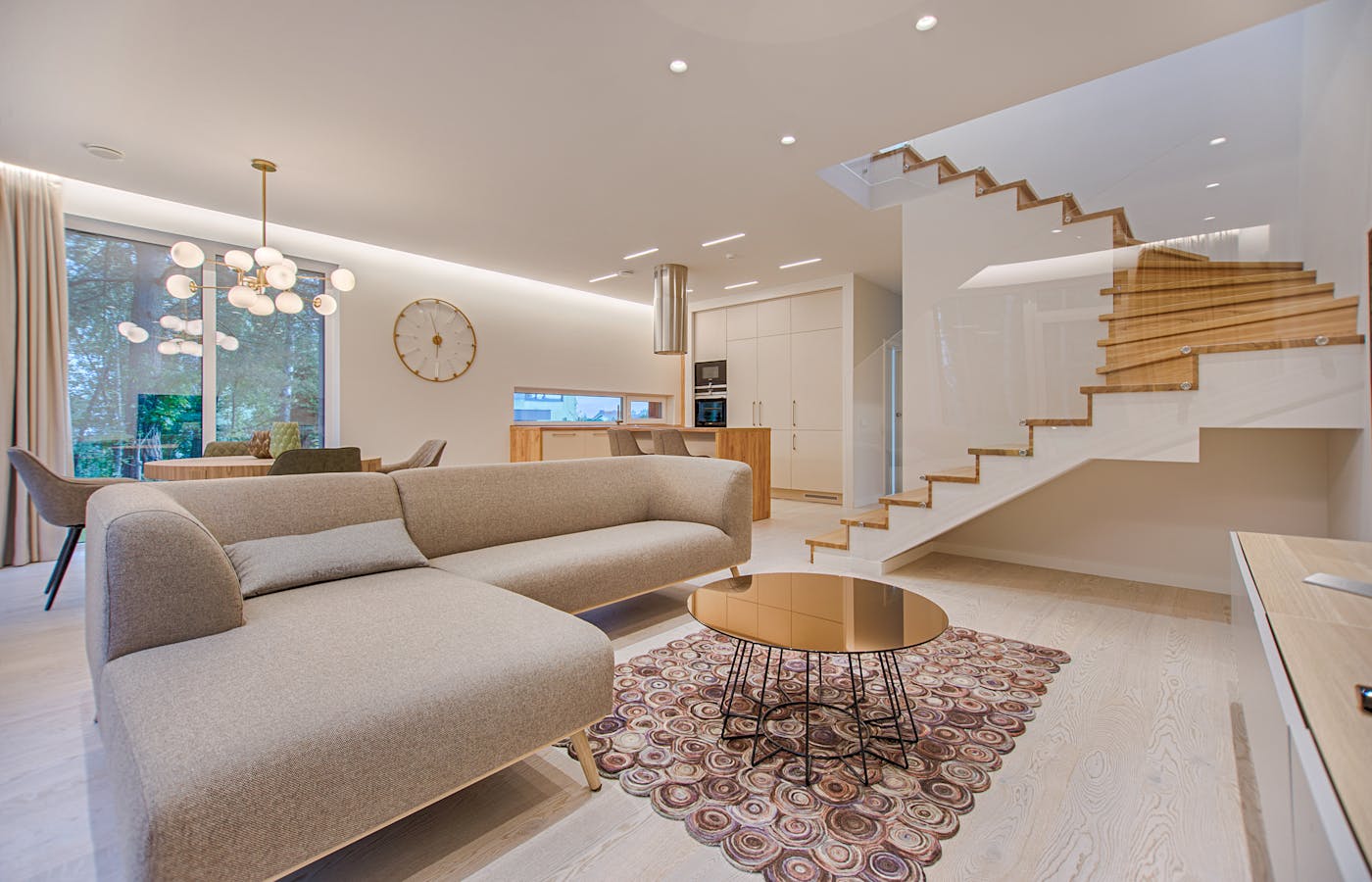
We do not define luxury through ornament alone. For SoftHaven, luxury is the confidence of a sofa with the right depth, a table with the right visual weight, a lamp that softens the evening, and a room that never asks its occupants to work around it.
Large forms anchor the room while lighter accents create space, movement, and a measured rhythm.
Comfort, storage, lighting, surface area, and circulation are treated as essential design decisions.
Tonal variation, grain, weave, reflection, and shadow keep a restrained palette from feeling flat.
Curved edges, balanced seams, thoughtful hardware, and clean transitions reward closer attention.
A refined interior is rarely built from one dramatic gesture. It develops through relationships: soft beside structured, matte beside reflective, curved beside linear, substantial beside light.
Upholstery should invite the body while maintaining a clear silhouette. Cushioning, support, seam placement, and scale work together to create comfort without visual heaviness.
Wood grain, woven fibers, textured fabrics, and stone-inspired surfaces introduce variation that makes each setting feel warmer, richer, and more personal.
Mirrors, glass, and subtle metallic details extend daylight, create depth, and allow compact rooms to feel more open without adding unnecessary decoration.
Coffee tables, dressers, beds, and substantial seating establish visual stability, giving lighter accessories and open space a strong foundation.
Rounded corners, softened backs, oval mirrors, and gentle profiles interrupt rigid architecture and create a more welcoming visual flow.
The final measure is emotional. A room should feel polished enough to inspire, familiar enough to relax in, and flexible enough to support changing routines.
Our selection lens moves from function to feeling. Each step considers how the piece performs alone, how it interacts with its surroundings, and how naturally it can become part of everyday life.
We begin with practical purpose: seating depth, usable surface area, storage access, lighting direction, placement flexibility, and the way the piece supports daily movement.
Height, width, visual mass, leg profile, negative space, and surrounding circulation are evaluated to help the piece feel balanced within real residential spaces.
Surfaces should communicate quality through touch and appearance. We value finishes and textiles that contribute texture without becoming visually loud.
A strong piece should work across multiple settings, pair easily with existing furniture, and offer enough character to feel intentional without controlling the entire room.
The final question is simple: will this piece continue to feel useful, comforting, and visually relevant after the first impression has passed?
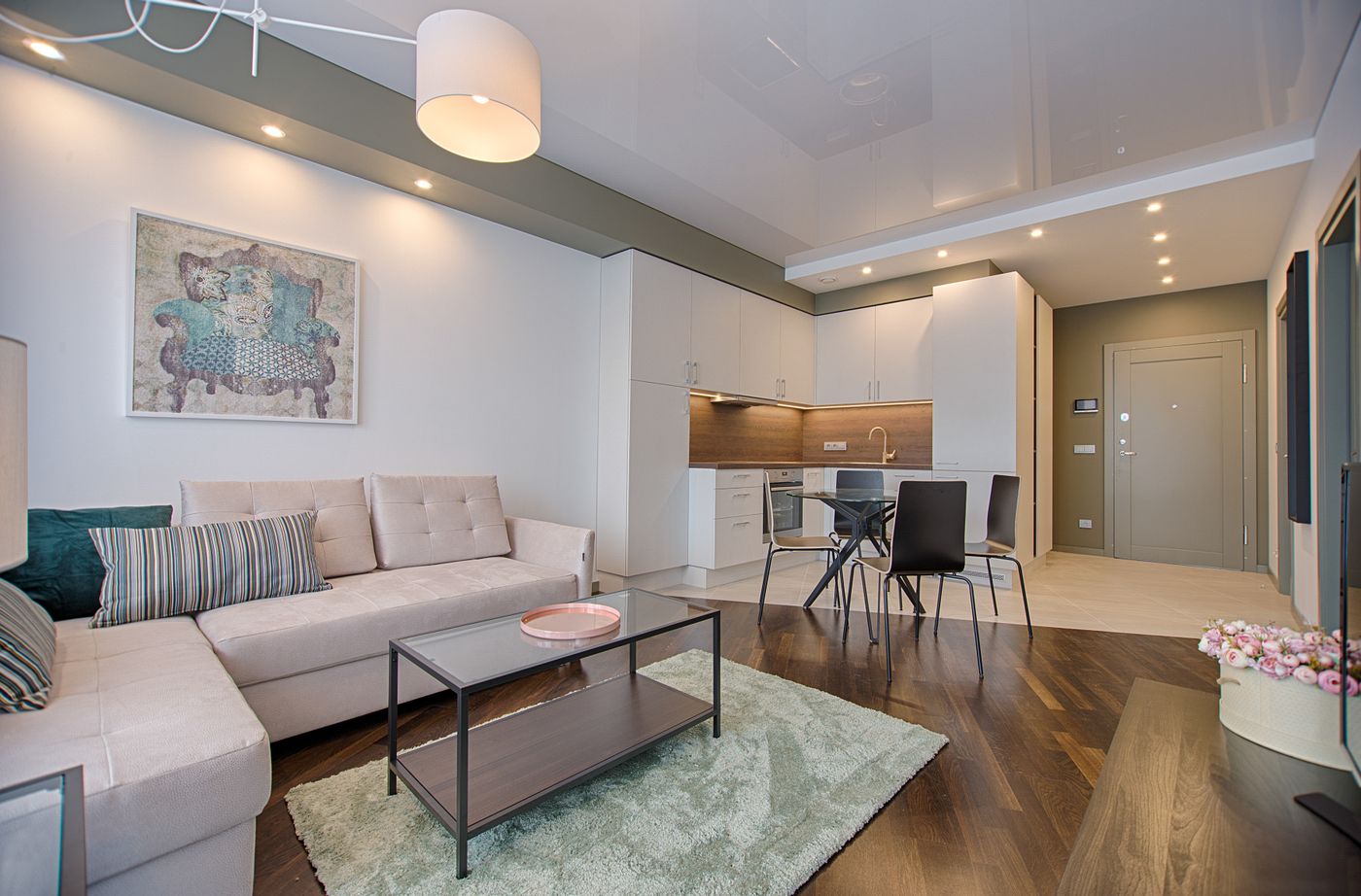
We think about interiors as a sequence of experiences rather than a fixed arrangement. A room needs clear paths, comfortable pauses, useful surfaces, flattering light, and enough visual quiet for the people within it to become the focus.
A strong bed, sofa, or dresser gives the room visual confidence and direction.
Rugs, cushions, lighting, and reflection add softness, dimension, and atmosphere.
Open space is protected so each object can be seen, used, and appreciated clearly.
Each category plays a distinct role, but all share the same objective: create a home that feels warm, coherent, elevated, and easy to live in.
The emotional anchor of the living room, selected for inviting depth, refined silhouettes, balanced support, and everyday comfort.
Grounding forms that organize conversation, display, and daily rituals without overwhelming the seating area.
Sculptural seating that adds individuality, contrast, and flexible comfort to a composed interior.
Calm, substantial foundations designed to establish rest, order, and visual serenity within the bedroom.
Storage with architectural presence, clean organization, and a surface that supports thoughtful display.
A tactile ground layer that defines zones, softens acoustics, and connects furniture through tone and texture.
Adaptable layers of softness that introduce comfort, subtle contrast, and seasonal flexibility.
Functional objects that shape mood, create pools of warmth, and add sculptural definition after daylight fades.
Quiet architectural accents that extend light, create depth, and bring balance to walls and furniture groupings.
A beautiful room is shaped by dozens of small decisions. Our standards help those decisions remain consistent, practical, and emotionally grounded.
“The goal is not to fill a home. The goal is to give every room enough clarity, comfort, and character to feel complete.”
SoftHaven Design Perspective
Forms should remain readable from across the room. Distinct profiles create visual confidence and prevent a setting from feeling crowded or unresolved.
Decorative value and practical purpose should reinforce one another. Storage, comfort, lighting, reflection, and surface area are never treated as afterthoughts.
Pieces should coordinate without requiring exact matching. This creates a more collected, personal, and enduring interior.
Curves are balanced by lines, soft materials by structured forms, and open space by objects with sufficient visual weight.
Repeated tones, materials, shapes, and proportions connect separate rooms while allowing each space to retain its own function and personality.
Quiet luxury means choosing pieces with confident proportion, considered materials, useful comfort, and refined details rather than relying on excessive ornament or temporary trends. The result feels elevated because it is balanced, tactile, and thoughtfully resolved.
Begin with a shared visual language rather than an identical finish. Repeat two or three elements such as rounded forms, warm neutral tones, dark outlines, woven textures, or natural wood. Allow variation in scale and material so the room feels collected instead of purchased as a single set.
Start with the piece that carries the greatest visual and functional responsibility. In a living room, that is usually the sofa. In a bedroom, it is usually the bed. Once the anchor is established, surrounding pieces can be selected to support its scale, circulation, color, and material character.
We treat comfort as part of the visual design. Generous cushioning, supportive proportions, soft textiles, accessible surfaces, and warm lighting can feel relaxed while still maintaining clear lines and disciplined spacing. Comfort does not require visual clutter.
Rugs establish the zone, cushions soften and personalize it, lamps shape the atmosphere, and mirrors extend light and depth. These accents are most effective when they support the main furniture rather than compete with it. Repeat tones and shapes selectively to create continuity throughout the room.
Yes. Smaller spaces benefit from clear silhouettes, visually lighter bases, multifunctional surfaces, controlled color, well-placed mirrors, and focused lighting. The objective is not to remove personality, but to protect circulation and give each piece enough visual space to feel intentional.
Whether you are refining one room or shaping a complete interior, our customer care team is available to help you think through product categories, proportions, placement, and the details that create a cohesive SoftHaven setting.
Reach our customer care team for product questions, order support, or general assistance.
Contact SoftHaven